
Why New Hampshire Weather Demands Professional Gutter Installation
Short answer
New Hampshire gets 48.8 inches of rain annually, with precipitation averaging 6.8 inches above historical norms since 2005. Winter storms account for 11 of the state's 21 confirmed weather disasters from 1980-2024. Professional seamless gutter installation, sized and pitched correctly with proper downspout extensions, prevents water damage to siding, fascia, and foundations. Freeze-thaw cycles crack concrete when water isn't directed away. Professional installation ensures gutters work as part of your home's complete exterior system, preventing costly structural damage.
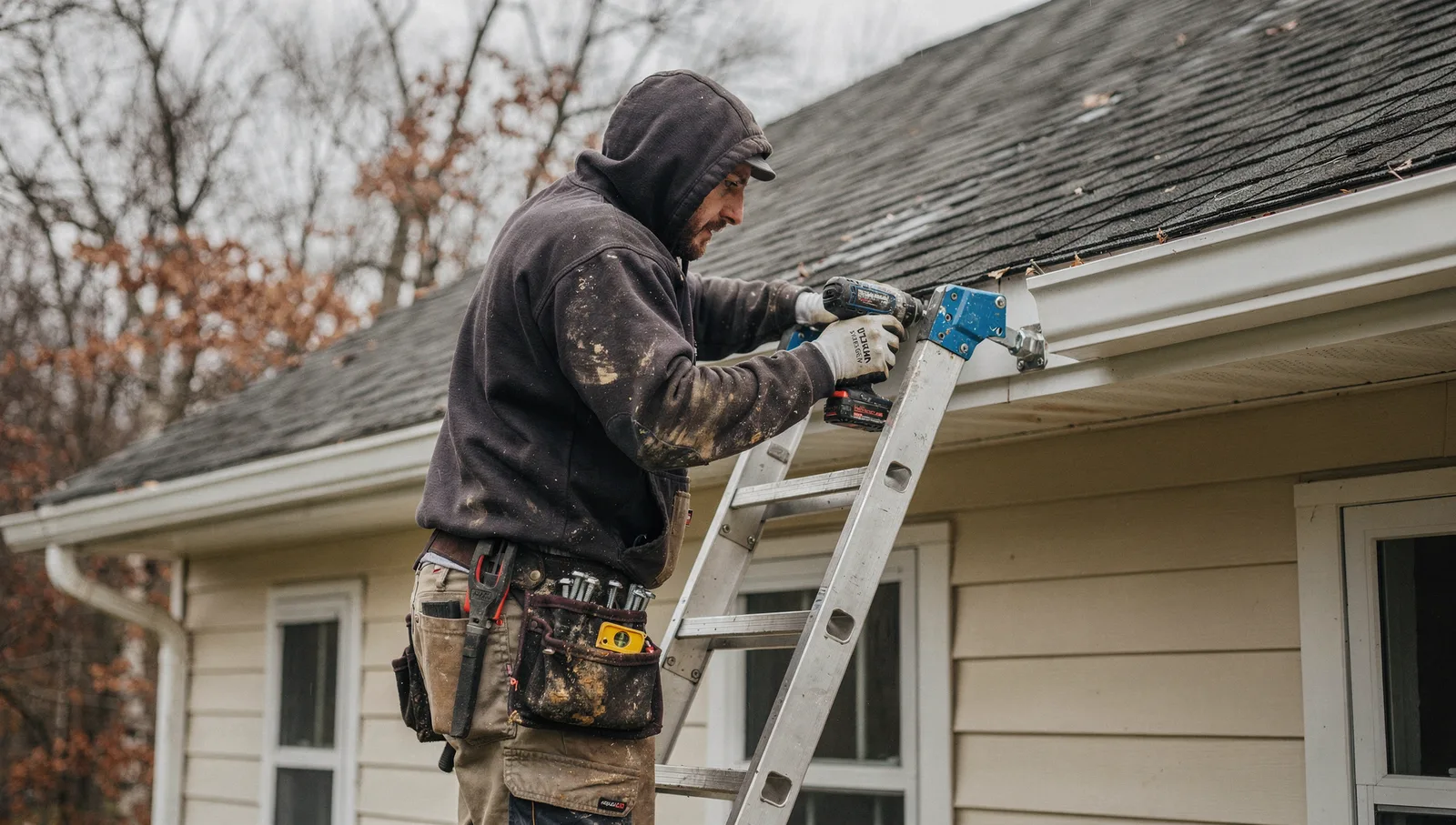
Why New Hampshire's Extreme Weather Demands Professional Gutter Installation#
Your gutters are not just a cosmetic trim. They are the first line of defense against water damage that spreads through your entire home, and New Hampshire's weather makes that defense critical.
The state receives 48.8 inches of annual precipitation during the 1991-2020 normals period, according to NOAA's National Centers for Environmental Information. Since 2005, precipitation has averaged 6.8 inches more than the 1895-2004 average. That is not a minor uptick. It means your gutters face heavier loads more often than they did a generation ago. Add to that the freeze-thaw cycle unique to New England winters, and you have a climate that punishes poor gutter installation with water damage, ice dams, and foundation failure. Winter storms alone account for 11 of New Hampshire's 21 confirmed weather and climate disasters from 1980-2024.
Professional gutter installation matters because it addresses the full picture: sizing gutters to handle that precipitation volume, pitching them correctly so water flows instead of pooling, spacing hangers close enough to support ice and snow weight, and running downspout extensions far enough from the foundation to prevent water from seeping into the soil around your basement. A DIY install that skips any of these steps leaves your home exposed.
The Rising Precipitation and Freeze-Thaw Crisis#
New Hampshire's precipitation is not just heavy, it is getting heavier. Annual precipitation has increased by 12% over the past 120 years, and the state has experienced multiple times per year extreme precipitation events in recent decades. That means your gutters must handle downpours that overwhelm undersized or poorly pitched systems multiple times annually.
The freeze-thaw cycle compounds the problem. Temperature in New Hampshire has increased by about 3°F since 1901, which sounds modest until you realize what it means: more rain instead of snow, more thaw-and-refreeze cycles, and more ice dams forming at the eaves where gutters meet the roof. When water backs up behind an ice dam, it seeps under shingles and into the attic, rotting framing and insulation. Professional gutter installation prevents this by ensuring water drains quickly and completely, with no pooling or overflow.
Winter Storms and Ice Dams: The #1 Threat to NH Homes#
Ice dams are the signature threat to New Hampshire homes. They form when heat from the attic melts snow on the roof, water runs down and refreezes at the cold eaves, and ice builds up behind the gutter. Water trapped behind the dam backs up under the shingles and leaks into the home.
A professionally installed seamless aluminum gutter system resists ice dam formation in several ways. Seamless gutters eliminate the seams where water can pool and ice can accumulate. Gutters installed with the correct pitch keep water moving so it does not sit and refreeze. Gutter hangers spaced at close intervals (closer in heavy-snow zones) support the weight of ice and snow without sagging, which would trap more water and accelerate dam formation. Downspout extensions run a sufficient distance away from the foundation, carrying meltwater safely away from the house.
DIY installations often fail because homeowners underestimate the importance of these details. A gutter that looks fine in summer can fail catastrophically in winter when ice load tests its hanger spacing and pitch.
The Cost of Failure: From Water Damage to Foundation Collapse#
Water damage from failed gutters is expensive and spreads fast. Backed-up water rots fascia boards, siding, and soffit. It seeps into the attic and damages insulation and framing. It runs down the exterior walls and pools at the foundation, where it infiltrates the basement and crawl space.
Foundation damage is the worst outcome. Water that pools against the foundation freezes in winter, expanding and cracking concrete. Over time, small cracks become large ones. Water enters the basement, causing mold, structural instability, and repair costs that run into tens of thousands of dollars. Roof replacement costs in New Hampshire average between $8,364 and $19,544, but foundation repair can exceed that by multiples. Metal and slate last because professional gutter installation keeps water away from the foundation before it ever becomes a problem.
Professional Gutter Installation as Integrated Exterior Protection#
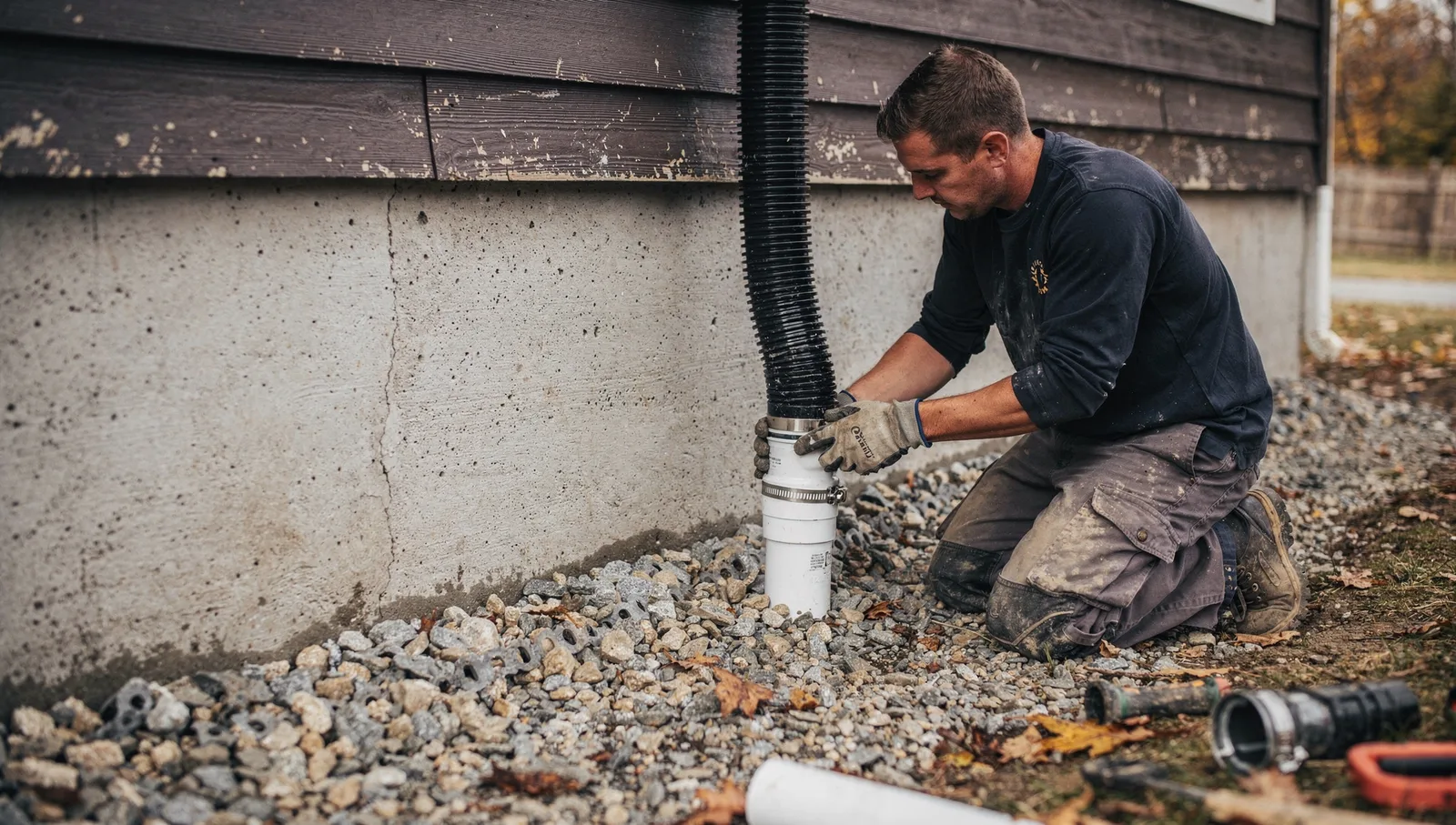
Gutters do not work in isolation. They are part of a complete exterior system that includes the roof, fascia, soffit, siding, deck drainage, and grading. A professional installation treats all of these as one integrated unit.
How Gutters Work With Roofing, Siding, Soffit, and Fascia as One System#
Water flows from the roof into the gutter. The gutter must be attached to the fascia board (the horizontal board that closes off the rafter ends) with hangers spaced close enough to prevent sagging. The soffit (the underside of the overhang) must be vented to allow attic moisture to escape, and the gutter must not block that ventilation. The siding must be installed so water drains away from it, not into it.
When these components are installed together by a professional, each one supports the others. The fascia is reinforced to hold the gutter weight. The soffit vents are positioned to work with the gutter pitch. The siding is flashed so water runs over it and into the gutter, not behind it. A DIY gutter install that ignores the fascia condition, soffit venting, or siding flashing creates weak points where water finds its way into the home.
Professional installation also means the gutter is sized to match the roof area and the regional precipitation. A roof that drains to a single downspout will overwhelm a standard K-style gutter in a heavy rainstorm. A professional sizes the gutter and the downspout system to handle the peak flow, not just the average.
Foundation and Drainage Management: Preventing Water Infiltration Before It Starts#
The gutter's job does not end at the downspout. Water must be carried away from the foundation and dispersed into the soil where it cannot pool and infiltrate the basement.
Downspout extensions are the critical link. They run a sufficient distance away from the foundation, carrying water far enough that it does not seep back toward the house. In some cases, downspouts connect to underground drainage lines (called French drains or perimeter drains) that carry water to a daylight outlet or a dry well. Professional installers coordinate with the grading around the house to ensure water flows away from the foundation, not toward it.
An integrated drainage approach keeps water away from the foundation before it ever becomes a problem. It prevents the freeze-thaw damage that cracks concrete and allows water to enter the basement. It protects the foundation from the slow, steady infiltration that leads to mold, structural rot, and expensive repairs.
Extending Protection to Decks and Exterior Structures#
Decks, sheds, and other exterior structures also need drainage integration. A deck built against the house can channel water toward the foundation if its drainage is not managed. A professional gutter installation includes planning for deck drainage: gutters or drains on the deck itself, downspout extensions that do not dump water near the deck posts or the foundation, and grading that slopes away from both the deck and the house.
System thinking becomes visible in how deck drainage integrates with the overall plan. A gutter installer who only looks at the roof and gutters will miss the deck drainage problem. A professional who sees the whole exterior picture will catch it and integrate the deck drainage into the overall water management plan.
Seamless Aluminum Gutters: Sizing, Installation, and Professional Execution for NH Climate Demands#
Seamless aluminum gutters are the standard for New Hampshire homes because they are durable, low-maintenance, and can be sized and pitched to handle regional precipitation. Understanding how they are installed and why professional execution matters is key to protecting your home.
Why Standard Gutter Capacity Fails in New Hampshire#
Standard K-style gutters (the most common residential gutter profile, with a flat bottom and a decorative front edge) are rated for a certain water capacity, typically measured in gallons per minute per linear foot of gutter. A standard K-style gutter can handle a certain volume of water per minute per linear foot under ideal conditions (proper pitch, no debris, no ice).
In a heavy New Hampshire rainstorm, that capacity is not enough. When precipitation arrives in concentrated amounts in a short time, water overwhelms the gutter faster than it can drain. Water backs up, overflows, and runs down the siding. If the gutter is clogged with leaves or ice, the backup is even worse.
Professional installers address this by sizing gutters correctly. For a roof with a large drainage area, a 6-inch gutter or even a 7-inch gutter may be needed. For a steep roof or a roof with multiple valleys, additional downspouts may be required to split the load. The pitch must be consistent so water does not pool anywhere along the run.
The Seamless Installation Process and Professional Execution#
Seamless gutters are manufactured on-site or at a shop, cut to the exact length of each run, and installed without seams. This process requires precision at every step.
A professional installation follows this sequence:
Measure and plan. The installer measures each roof edge, calculates the pitch and downspout locations, and determines the gutter size and material needed.
Prepare the fascia. The fascia board is inspected and repaired if necessary. Rotted or damaged fascia is replaced so the gutter has a solid base.
Fabricate the gutter. The seamless gutter is manufactured to the exact length of each run, with the correct pitch built in. Corners and downspout outlets are formed to fit the plan.
Install hangers. Gutter hangers (also called brackets or straps) are installed at close intervals, depending on the snow load and the gutter size. Hangers are fastened to the fascia with corrosion-resistant fasteners.
Hang the gutter. The gutter is lifted into place and secured to the hangers. The pitch is verified so water flows toward the downspout.
Install downspouts. Downspouts are attached to the gutter outlet and run down the side of the house. Elbows and extensions are added to direct water away from the foundation.
Inspect and test. The installer runs water through the gutter to verify it drains correctly and does not overflow or back up.
The seamless installation process takes from a few hours to a full day, depending on the size and complexity of the roof. A DIY installer who rushes through any of these steps risks a system that fails in the first heavy rain or ice storm.
Professional Installation vs. DIY: Why One Protects Your Entire Home#
The difference between professional and DIY gutter installation comes down to precision and integration. A professional installer has the tools, experience, and knowledge to get every detail right. A DIY installer often does not.
Common DIY mistakes include:
- Incorrect pitch. A gutter that is level or pitched the wrong way will pool water instead of draining it.
- Hanger spacing that is too wide. Hangers spaced too far apart will allow the gutter to sag under the weight of water, ice, or snow.
- Downspout extensions that are too short. Water dumped near the foundation will seep back toward the house.
- Ignoring soffit venting. A gutter installed too high or too far back can block soffit vents, trapping moisture in the attic.
- Failing to integrate with other systems. A DIY gutter install that does not account for deck drainage, grading, or foundation condition leaves vulnerabilities.
A professional installation integrates the gutter system with roofing, fascia, soffit, siding, and foundation drainage as one complete system. It is designed to handle New Hampshire's precipitation volume and freeze-thaw cycles. It is built to last 20 years or more with minimal maintenance.
Commercial Gutter Solutions: Heavy-Duty Systems for NH Businesses#
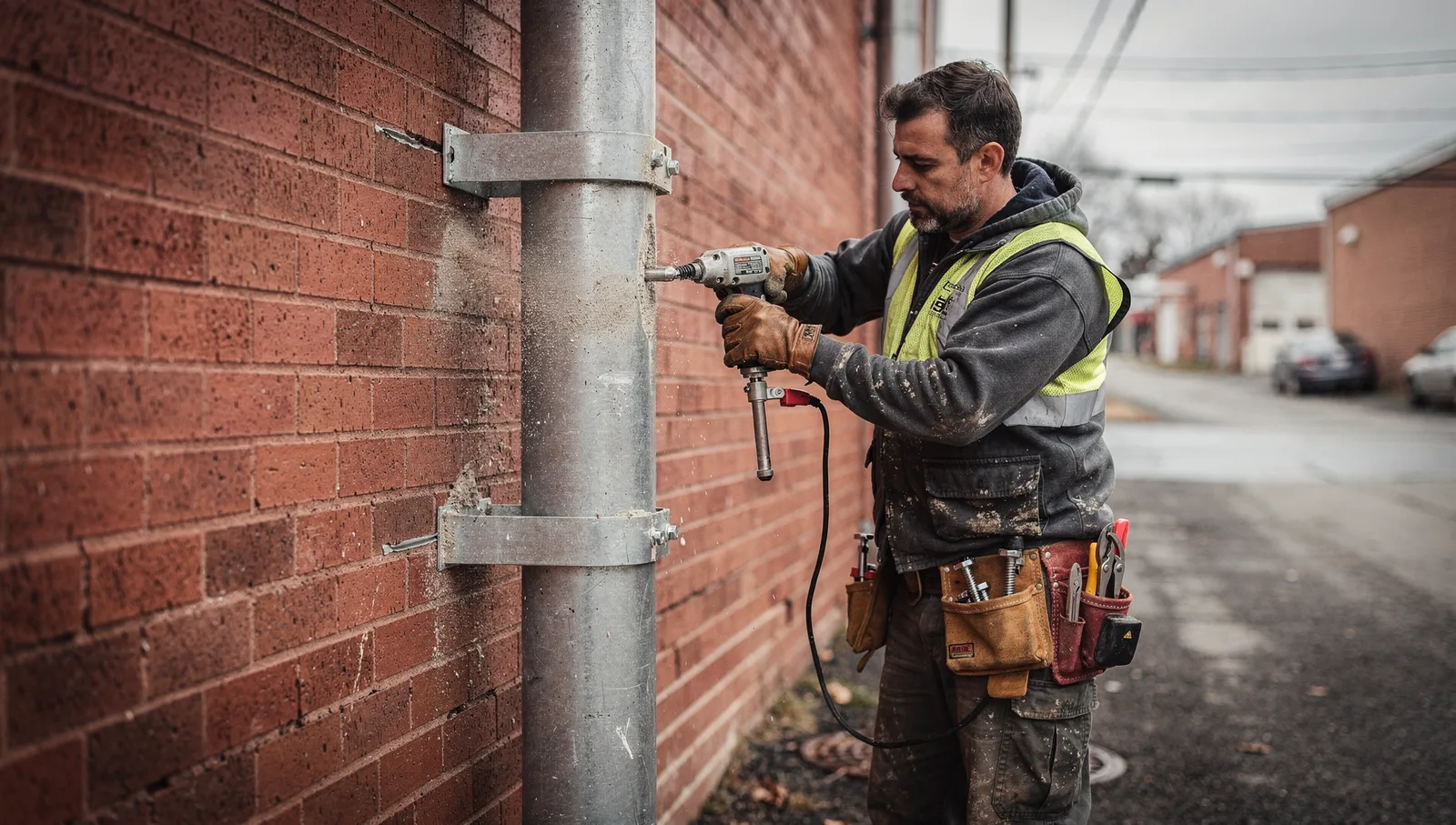
Commercial properties face different gutter demands than residential homes. Larger roof areas, heavier snow loads, and the need for reliable drainage across multiple buildings require a different approach.
Why Commercial Properties Need Different Gutter Specifications#
A commercial building's roof is often flat or low-slope, which means water drains more slowly and can pool if the gutter is undersized or the pitch is wrong. A commercial roof may also be much larger than a residential roof, concentrating a huge volume of water into a single drainage system.
Commercial gutters are typically made of heavier-gauge aluminum or steel, with larger profiles to handle the volume. Hangers are spaced closer together to support the extra weight. Downspouts are larger in diameter and more numerous to split the load.
Commercial gutters also need to integrate with the building's overall drainage system, including roof drains, interior drain lines, and site grading. A failure in the gutter system can flood the building's interior or create ponding on the roof that accelerates deterioration.
Multi-Building Drainage Integration and Load Management#
A commercial site with multiple buildings requires site planning and coordination. Water from one building's roof cannot be allowed to drain onto an adjacent building or into a neighbor's property. Downspout extensions must be run to a central drainage system, or to daylight outlets that disperse water safely.
Multi-building drainage integration requires understanding the site's grading, the location of utilities, and the capacity of any existing drainage infrastructure. A professional commercial gutter installer will work with the building owner and any civil engineers involved to ensure the drainage system is integrated into the overall site plan.
Post-Installation Inspection and Multi-Season Gutter Management#
Professional gutter installation is the foundation, but ongoing maintenance keeps the system working. After installation, a homeowner should know what to inspect and how to prepare for each season.
What to Inspect After Professional Installation#
After your gutters are installed, walk around the house and verify:
- Pitch and flow. Pour water into the gutter and watch it flow toward the downspout. Water should move steadily, not pool or back up.
- Hanger security. Gently push on the gutter. It should not move or flex. Hangers should be tight and fastened securely.
- Downspout extensions. Follow each downspout to its end. Extensions should run a sufficient distance away from the foundation and discharge water into the soil or a drainage system, not onto a neighbor's property or back toward the house.
- Soffit venting. Look at the soffit vents. They should be clear and not blocked by the gutter or any debris.
- Fascia condition. The fascia board should be solid and not rotted. If you see soft spots or water stains, report them to the installer.
A professional installer should provide a walkthrough and explain what to look for in future inspections.
Spring, Summer, Fall, and Winter: Seasonal Prep and Maintenance Cycles#
Each season brings different demands on your gutter system. A simple maintenance routine keeps it working year-round.
Spring: After winter, inspect gutters for damage from ice dams or heavy snow. Clear any debris that accumulated over winter. Check downspout extensions to ensure they are still directing water away from the foundation.
Summer: Keep gutters clear of leaves and debris. After heavy rainstorms, check for overflow or backup. Verify that downspout extensions are still in place and functioning.
Fall: As leaves fall, clean gutters more frequently. Clogged gutters are the leading cause of overflow and water damage. Trim tree branches that hang over the roof to reduce leaf accumulation.
Winter: Before the first snow. Ensure gutters are clear and downspout extensions are secure. After heavy snow or ice storms, inspect for damage. If ice dams form, do not attempt to remove them yourself, call a professional. Improper ice dam removal can damage the roof and gutters.
Monitoring Freeze-Thaw Performance and Ice Dam Prevention#
Ice dams are the signature winter threat to New Hampshire homes, and monitoring your gutter system's performance during freeze-thaw cycles is critical.
After the first thaw of the season, inspect the roof and gutters for signs of ice dam formation. Look for icicles hanging from the gutter edge, water stains on the siding below the gutter, or water dripping from the soffit. These are signs that water is backing up behind ice.
If ice dams form repeatedly, the problem may be inadequate attic insulation or ventilation (which allows heat to escape and melt snow on the roof) rather than a gutter problem. A professional can assess whether the issue is the gutter system or the attic. In some cases, both need attention.
A properly installed seamless gutter system with correct pitch, adequate downspout capacity, and proper hanger spacing will minimize ice dam formation and allow water to drain quickly when thaws occur. Combined with good attic insulation and ventilation; professional gutters are your best defense against winter water damage.
Your Next Steps#
Now that you understand how New Hampshire's weather demands professional gutter installation, take these steps to protect your home:
Inspect your current gutters. Look for sagging, overflow during rain, water stains on siding, or water pooling near the foundation. These are signs of inadequate capacity or poor installation.
Check your downspout extensions. Follow each downspout to its end. If it dumps water close to the foundation, water is likely infiltrating the soil around your basement.
Assess your attic. After the next thaw, go into the attic and look for water stains, mold, or soft framing. These indicate that water is backing up into the roof structure.
Get a professional assessment. A gutter professional can evaluate your current system, identify vulnerabilities, and recommend sizing and installation improvements specific to your home and New Hampshire's climate.
The difference between a gutter system that fails in the first ice storm and one that protects your home for 20 years is professional installation. That is where the investment pays off.
| Metric | Value | Implication for Gutter Sizing |
|---|---|---|
| Statewide Annual Average Precipitation (1991 to 2020 normals) | 48.8 inches | Gutters must be sized and pitched to handle consistent heavy loads year-round |
| Precipitation Increase Since 2005 vs. 1895 to 2004 Average | 6.8 inches more | Recent decades deliver heavier runoff; older or standard-sized gutters often insufficient |
| Peak Extreme Precipitation Events (2005 to 2009) | 2.4 days per year | Multiple downpours annually test gutter drainage capacity; undersized systems overflow regularly |
| Threat | How It Develops | Professional Installation Prevention |
|---|---|---|
| Ice Dam Formation | Heat from attic melts snow; water refreezes at cold eaves behind gutter, trapping backed-up water under shingles | Seamless gutters eliminate pooling seams; correct pitch ensures immediate drainage; close hanger spacing prevents sagging that traps water |
| Freeze-Thaw Cycling Damage | Temperature swings since 1901 (↑3°F) increase rain vs. snow and refreeze cycles; water in gutters and at foundation expands when frozen, cracking concrete | Ensures complete drainage so water does not linger in gutters or pool against foundation; downspout extensions carry meltwater safely away |
| Ice and Snow Load Failure | Accumulated ice and snow weight on poorly supported gutters causes sagging, creating low spots that pool water and collapse during heavy winters | Hangers spaced at close intervals, especially in heavy-snow zones, support full load without sagging |
| Failure Point | Damage Type | Severity & Cost Range | Prevention via Professional Installation |
|---|---|---|---|
| Backed-up Gutters / Overflow | Fascia rot, siding damage, soffit deterioration | Moderate; repair costs variable but precedes costlier issues | Correct pitch and sizing ensure water flows freely; gutters sized to roof area and regional precipitation |
| Attic Infiltration | Insulation rot, rafter and framing damage, mold growth | High; structural and air quality issues | Seamless gutters with correct installation prevent water from backing under shingles |
| Foundation Pooling & Infiltration | Basement water damage, mold, structural cracking from freeze-thaw expansion | Severe; foundation repair costs exceed roof replacement ($8,364 to $19,544) | Downspout extensions running adequate distance from foundation carry meltwater away before it pools |
New Hampshire Gutter Sizing & Capacity Calculator
Calculates the effective drainage area and design runoff volume based on roof footprint, pitch multiplier (standard SMACNA roof drainage sizing standards), and peak rainfall intensity for New Hampshire storms. It recommends appropriate gutter sizing (5-inch standard vs 6-inch high-capacity) and minimum downspout requirements.
Effective Drainage Area:
Peak Water Volume per Hour:
Recommended Seamless Gutter Size:
Recommended Downspouts (1 per ~35-40 ft):
Frequently Asked Questions
How do gutters protect other exterior components like siding and soffit from water damage?
Gutters intercept runoff before it reaches siding and soffit, directing water through downspouts instead of allowing it to cascade down exterior walls or seep behind cladding. When professionally installed, gutters are pitched to drain immediately and sized to match roof area, preventing overflow. The soffit vents remain unblocked so attic moisture escapes, and siding is flashed so water runs over, not behind, it. Together, these details keep water moving away from the home's exterior envelope rather than pooling or infiltrating it.
What happens to gutters during New Hampshire's freeze-thaw cycles?
New Hampshire's 3°F temperature increase since 1901 has intensified freeze-thaw stress: water melts, refreezes, and expands inside gutters and at foundations. Gutters with poor pitch or sagging sections trap water that freezes, building ice dams behind which more water backs up under shingles. At the foundation, pooled meltwater expands when frozen, cracking concrete over time. Professional installation prevents this by ensuring complete drainage and hanger spacing close enough to support ice and snow weight without sagging.
How should gutters connect to deck drainage and grading systems?
Downspout extensions from gutters must run a sufficient distance away from the foundation, not into or next to deck drainage, so meltwater disperses safely into landscaped areas where grading slopes away from the house. Professional installation sizes downspout systems to handle peak flow from the roof area and positions extensions to work with existing drainage and grading, treating gutters as part of an integrated exterior water management system rather than an isolated component.
What should homeowners inspect after gutter installation?
Verify that gutters are pitched consistently so water flows to downspouts without pooling; hanger spacing is close (especially in heavy-snow zones), seams are sealed (seamless systems preferred); soffit vents are unblocked, siding flashing directs water over the gutter, and downspout extensions reach adequate distance from the foundation. Test drainage by running water through the system; observe whether it flows smoothly or backs up, which signals pitch or sizing problems.
Can gutters prevent foundation issues before they become expensive problems?
Yes. By diverting water away from the foundation perimeter via downspout extensions before it pools and infiltrates, professionally installed gutters eliminate the freeze-thaw cracking cycle and basement moisture that leads to structural damage and mold. This preventive approach costs far less than foundation repair, which can exceed roof replacement costs ($8,364 to $19,544) and may run into tens of thousands of dollars once cracking spreads.
Why does gutter sizing and pitch matter more in New Hampshire than in regions with lower precipitation?
New Hampshire receives 48.8 inches of annual precipitation and has experienced 6.8 inches above historical averages since 2005, with extreme rainfall events averaging 2.4 days per year (2005-2009). Gutters undersized for this volume or pitched incorrectly will overflow repeatedly during heavy storms, overwhelming the system's capacity. Professional sizing accounts for peak flow during regional downpours, not just average conditions, ensuring gutters and downspouts handle the precipitation demand New Hampshire's climate now regularly imposes.
Why are winter storms the biggest disaster threat to New Hampshire homes without professional gutter systems?
Winter storms account for 11 of 21 confirmed weather and climate disasters affecting New Hampshire from 1980-2024. Unprotected or poorly installed gutters fail under ice and snow load, leading to ice dams, water intrusion, and cascading damage to attic, walls, and foundation. Professional installation prevents these failures by using seamless systems, correct pitch, and close hanger spacing to handle the weight and freeze-thaw stress unique to New England winters.
Disclaimer
This content is general information about gutters and home-exterior work and is not a substitute for an on-site inspection. Contact Gutter Giant for advice specific to your home.
Sources
- www.ncei.noaa.gov - ncei.noaa.gov
- Ice Dams On Your Roof: Prevention, Removal & Expert Solutions - mycoastalwindows.com
- Blog | Merrimack Valley Roofing - merrimackvalleyroofing.com