
Heated Gutters and Gutter Heat Cables: How They Stop Ice Dams
Short answer
Heated gutters and gutter heat cables melt snow and ice at the roof edge to prevent ice dams from forming. Self-regulating cables produce 5 W/ft of heat output, while constant-watt cables produce 12 W/ft. Heat cables typically cost $50-$100+ monthly to operate during winter and last 3-5 years. However, they're a short-term patch, not a complete solution. The real fix requires professional gutter installation, proper guards, and integrated roof-to-downspout protection.
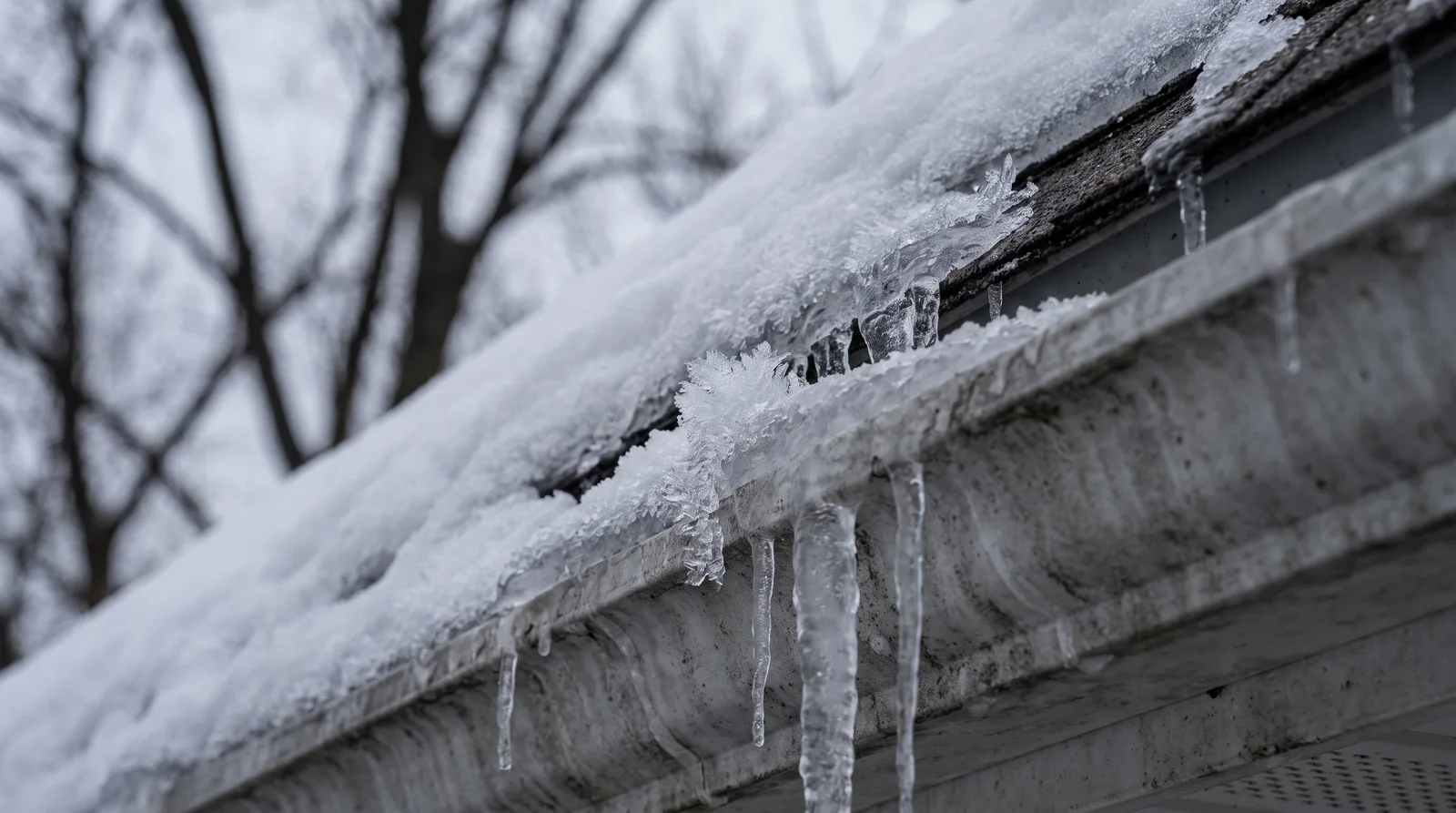
“The best ice dam prevention products include gutter heaters, heat tape, and heat cables, which work by maintaining consistent temperatures along roof edges and gutters to prevent ice buildup and protect your home from winter damage.”
James Rogers, Author, Powerblanket
Why Heat Cables Are a Tactical Patch, Not a Complete Solution#
It's late January, and you wake to find water staining your bedroom ceiling. You climb into the attic and see ice backed up under the shingles, creeping toward the soffit. A neighbor suggests heat cables. They work, sort of, but here's what most homeowners don't realize: heat cables treat the symptom, not the disease.
Ice dams form because your roof is losing heat. Heat cables melt the ice at the gutter line, but they do nothing to stop the heat loss that created the dam in the first place. It's like taking aspirin for a broken arm: the pain goes away, but the break is still there. The real solution sits upstream, in your attic insulation, roof ventilation, and gutter system design.
Ice Dams as a Symptom of Incomplete Gutter Infrastructure#
That refrozen ice blocks drainage, and water backs up under your shingles. The average insurance claim for ice dam damage is $11,650, and that's just the first incident. If water gets inside, repair costs climb to $5,000 to $15,000+.
But here's the thing: ice dams don't happen in well-designed gutter systems. They happen when one or more of these pieces is missing:
- Attic insulation thick enough to keep the roof deck cold (so snow doesn't melt in the first place)
- Proper roof deck ventilation to move warm air away from the shingles
- Seamless gutters installed with correct slope and pitch
- Gutter guards that don't trap debris and slow drainage
- Downspouts that carry water far enough away from the foundation
Heat cables can buy you time while you fix the real problem. But they are not the fix itself.
The Role of Professional Installation, Guards, and Integrated Protection#
When James, Owner & Founder at Gutter Giant, looks at a roof with recurring ice dams, he doesn't start with heat cables. He starts by asking: Is the attic insulated? Is the roof ventilated? Are the gutters sloped correctly? Are the downspouts clear?
A professional gutter installation addresses all of these at once. Seamless gutters eliminate the seams where debris collects and blocks flow. Proper pitch ensures water moves toward downspouts, not toward the fascia. Gutter guards keep leaves out without choking drainage. And downspout configuration, the size, angle, and distance from the foundation, directly affects whether water pools and refreezes.
Heat cables work best as a temporary measure while you plan a comprehensive upgrade. They are not a substitute for that upgrade.
How Heated Gutters and Heat Cables Stop Ice Dams#
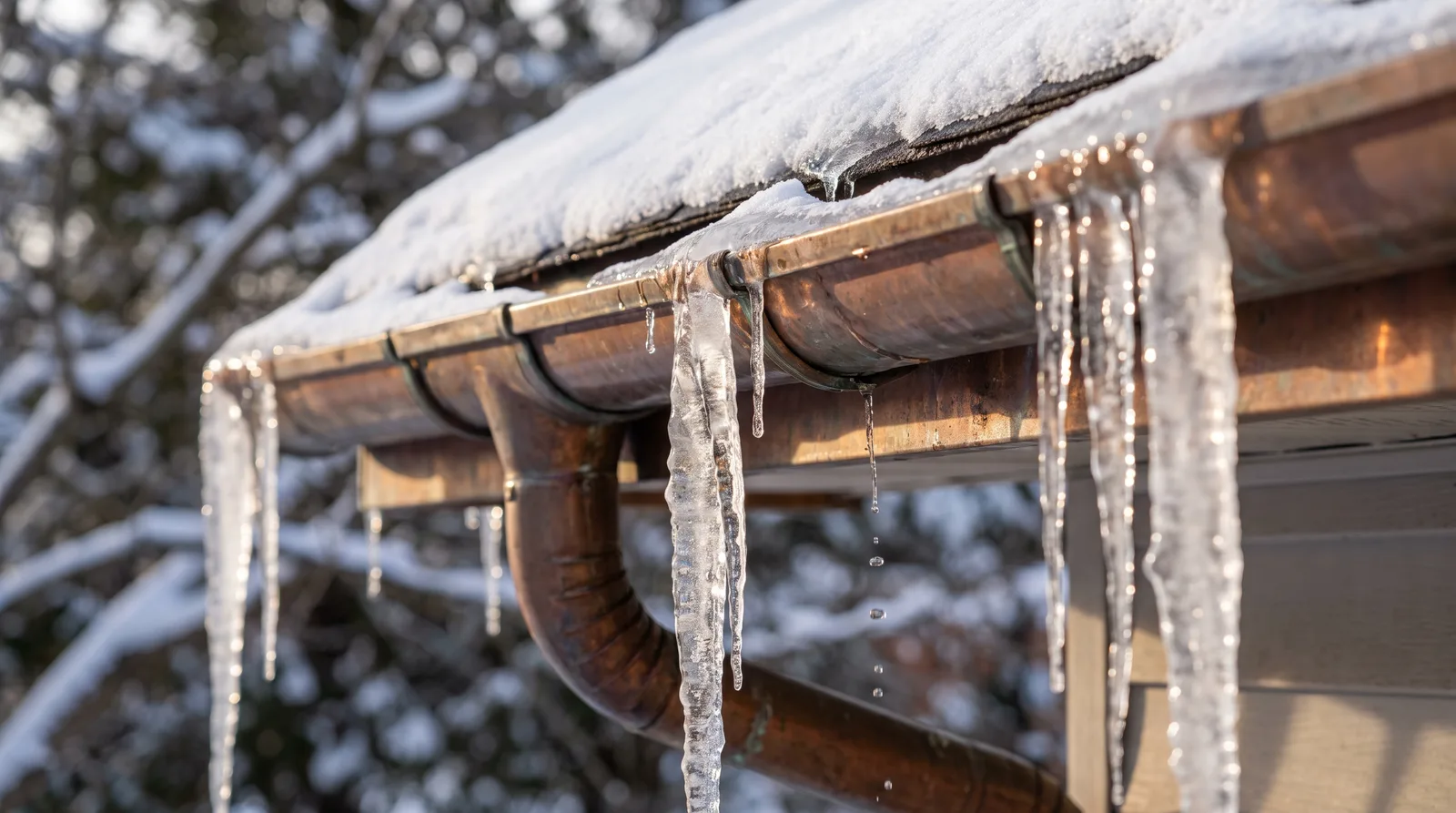
What Causes Ice Dams and Where They Form#
An ice dam starts with heat. Your attic is warmer than the outside air, sometimes significantly warmer, because of lights, appliances, people, and poor insulation. That heat rises and warms the roof deck. Snow on the warm part of the roof melts. The meltwater runs down toward the gutter.
Here's where the dam forms: the gutter and the overhang (the part of the roof that extends past the wall) are colder than the roof deck. They are exposed to outside air on all sides, so they don't benefit from the attic's warmth. When the meltwater reaches the cold gutter, it refreezes. More water runs down, hits the ice, and backs up. That backed-up water seeps under the shingles and into the attic, the walls, and the living space below.
Ice dams form most often along the lower edge of the roof, where the gutter sits. They can also form along valleys (where two roof planes meet) and at the downspout opening, where water pools and refreezes if drainage is slow.
The Mechanical Function of Heat Cables: Power Output and Temperature Rise#
Heat cables work by running an electric heating element along the gutter and the roof edge. When snow and ice touch the cable, the cable's heat melts it, creating a small channel for water to drain. The cable doesn't melt all the ice, it just keeps a path open.
There are two types of heat cables: self-regulating and constant-wattage.
Self-regulating cables contain a conductive polymer core that increases resistance as temperature rises, so they produce less heat in warm conditions and more in cold ones. These are simpler to install and safer (they won't overheat), but they are recommended only if you need modest cable runs.
Constant-wattage cables deliver a fixed amount of heat regardless of temperature. These cables produce more heat per linear foot than self-regulating types and become the only option when you need extensive cable runs, because self-regulating cables lose efficiency over long distances.
Integral heated gutter systems (gutters with heating elements built into the water channel) achieve a temperature rise above ambient that is usually enough to keep a small channel open, allowing water to drain instead of backing up.
Modern heat cable systems reach a maximum temperature of about 112°F, which is hot enough to melt ice but cool enough not to damage the gutter or create a safety hazard.
How Gutter System Design Amplifies or Reduces Ice Dam Risk#
The gutter itself plays a huge role in whether ice dams form at all. A gutter installed with proper slope moves water toward downspouts quickly; gutters installed level or with reverse slope trap water and cause refreezing, covered below, which means ice dams are more likely when slope is improper.
Seamed gutters (the kind you buy in sections at a hardware store) have joints at regular intervals. Leaves, twigs, and ice can lodge in those joints, blocking drainage. A blocked gutter is a dam waiting to happen.
Gutter guards matter too. A guard that sits on top of the gutter and lets debris slide off is better than no guard. A guard that sits inside the gutter and traps debris is worse than no guard, it chokes drainage and makes ice dams more likely.
The downspout configuration affects ice dam risk downstream; undersized or clogged downspouts cause water to back up and refreeze, covered below, meaning proper downspout sizing and maintenance are critical preventive measures.
Heat cables only melt ice at the gutter edge and cannot fix underlying gutter problems such as poor slope, clogged gutters, or undersized/blocked downspouts.
The Energy Cost and Operational Lifespan of Heated Cable Systems#
Heat cables use electricity, and that electricity costs money. The monthly cost of heat cables during winter is $50. If you run heat cables through the winter season, you're looking at a seasonal cost in the range of several hundred dollars. Over a winter, that adds up.
Heat cables have a limited lifespan of 3-5 years and require periodic replacement, adding to the long-term cost. After this period, the cable degrades, the heating element fails, or the insulation cracks.
So the true cost of heat cables is not just the upfront purchase price, it's the installation cost, the monthly electricity bill, and the replacement cost every few years. Over a decade, that's a significant expense.
Installing and Integrating Heat Cables with Seamless Gutters and Guards#
Best Practices for Seamless Gutter Heat Cable Installation#
Heat cables must be installed correctly to work safely and effectively. Here's what a professional installation looks like:
- Run the cable along the gutter's inner edge, where water flows. The cable should sit in the water channel, not on top of the gutter.
- Extend the cable up the roof to the shingles, creating a path from the roof edge to the gutter. This melts ice on both the roof and the gutter, preventing dams from forming higher up.
- Secure the cable with clips or ties at regular intervals. Loose cable can sag, tangle, or fall out of the gutter.
- Plug the cable into a GFCI outlet (a ground-fault circuit interrupter outlet that cuts power if there's a short). Never plug a heat cable into a standard outlet.
- Use a thermostat or timer to turn the cable on only when the temperature is near freezing and precipitation is falling. Running the cable 24/7 wastes electricity.
A professional installer will also inspect the gutter for leaks, debris, and proper slope before installing the cable. If the gutter is already damaged or clogged, the cable won't solve the problem.
Compatibility with Gutter Guards and Protection Systems#
Heat cables and gutter guards can work together, but the guard must be chosen carefully. A guard that sits on top of the gutter (like a mesh screen) allows the cable to sit in the water channel below, so there's no conflict. A guard that sits inside the gutter (like a foam insert) can trap the cable and block water flow, making the cable less effective.
If you have a gutter guard already installed, ask the installer whether the cable can be routed around or under it. Some guards are designed to accommodate heat cables; others are not.
The best strategy is to install the gutter guard and the heat cable at the same time, so the installer can design the system to work with both. A professional gutter company can recommend a guard that won't interfere with the cable.
Downspout Design and Its Impact on Ice Dam Strategy#
The downspout is where water exits the gutter. A properly sized downspout for residential gutters moves water quickly; proper downspout configuration and sizing directly affect ice dam risk, covered above. A downspout that extends to the ground or connects to an underground drain keeps water away from the foundation.
Heat cables cannot fix underlying downspout problems, though they can melt ice at the downspout opening to keep that path clear. If your downspout is undersized or blocked, also plan to upgrade the downspout itself.
Seasonal Maintenance to Maximize Heat Cable Effectiveness#
Heat cables need maintenance to stay effective. Here's what to do:
- Before winter, inspect the cable for cracks, loose connections, or damage. Test it by plugging it in and feeling for warmth.
- Clear the gutter of leaves and debris. A clogged gutter defeats the cable.
- Check the slope of the gutter; proper gutter slope is essential for water drainage and preventing ice dams, covered above, so ensure water flows toward the downspout rather than pooling in the middle.
- Inspect the downspout for clogs. Clear any blockages.
- After winter, unplug the cable and store it in a dry place. Coil it loosely so it doesn't kink.
If the cable fails during winter, you'll need a replacement. That's why it's important to have a backup plan, either a second cable or a professional on speed dial.
Heat Cables vs. Long-Term Gutter Solutions: Cost-Benefit Analysis and When to Choose Each#
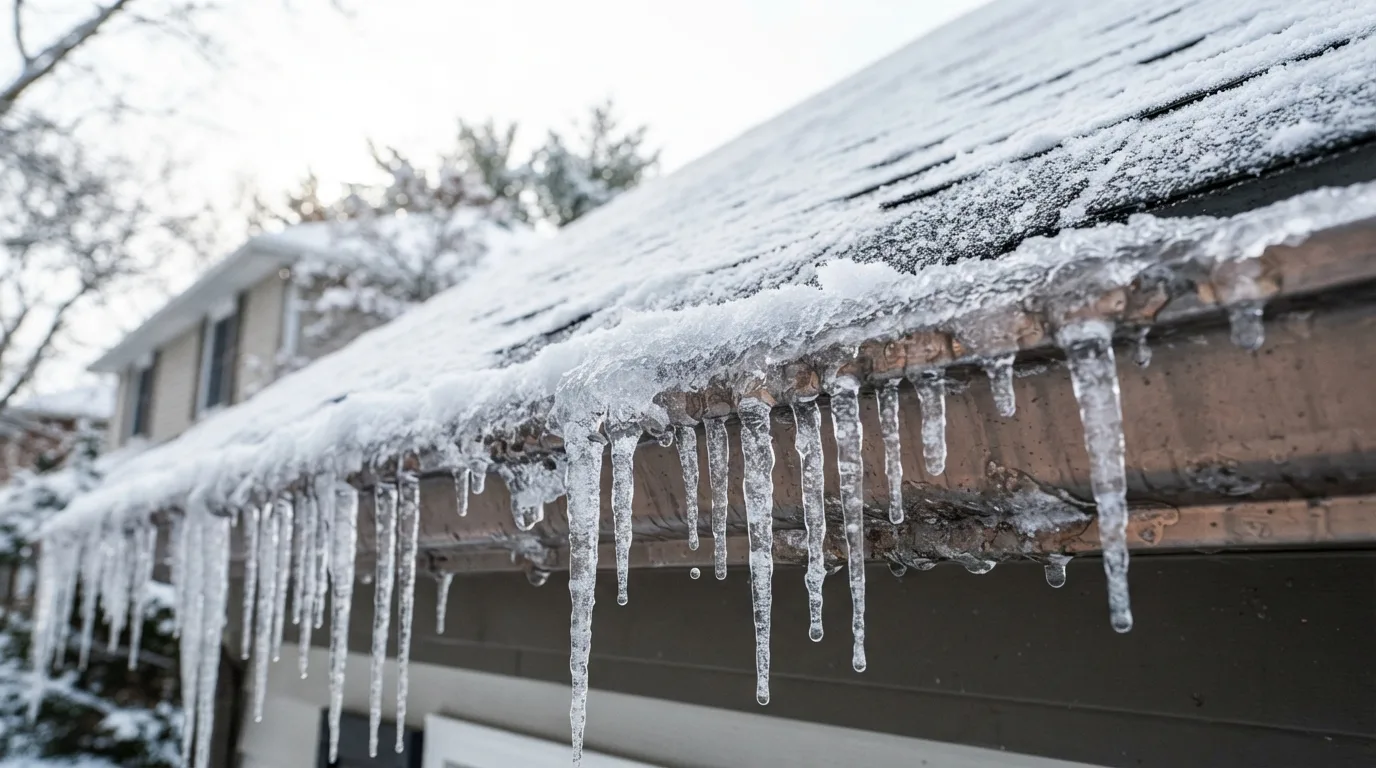
Cost-Benefit Analysis: Heat Cables vs. Comprehensive Gutter Replacement#
Heat cables are cheap upfront but expensive over time. A comprehensive gutter replacement is expensive upfront but saves money in the long run.
Here's the math: a heat cable system (cable, installation, thermostat) costs a few hundred to a few thousand dollars, depending on the length and type. Over several years, you'll spend money monthly during winter on electricity, plus replacement costs every 3-5 years. Over a decade, that's a significant expense.
A professional seamless gutter installation with guards and proper downspout configuration costs considerably more upfront, typically several thousand dollars for a whole-house system. But it lasts for decades and requires only routine maintenance (cleaning twice a year). Over a decade, the cost per year is much lower.
The decision depends on your situation:
- Choose heat cables if: You have a new roof and good attic insulation, but you're still getting occasional ice dams. The cable is a temporary fix while you monitor the problem.
- Choose a gutter upgrade if: You have recurring ice dams, an old gutter system, or poor attic ventilation. The upgrade addresses the root cause and prevents future damage.
- Choose both if: You have a gutter upgrade planned but need a temporary solution for this winter. Install the cable now, then plan the upgrade for spring or summer.
The key insight is this: heat cables treat the symptom (melting ice at the gutter edge) but do not address the root cause of ice dams (heat loss from the attic, poor insulation, inadequate ventilation, or faulty gutter design), covered in detail above. If you're treating the symptom year after year, you're spending money that could go toward the cure.
Finding Professional Gutter Installation and Repair Services#
When you're ready to move beyond heat cables, you need a professional gutter company. Here's what to look for:
- Experience with seamless gutters: Seamless gutters are the standard for new installations. A company that only installs seamed gutters is behind the times.
- Gutter guard options: Ask what guards they offer and how each one affects drainage. A good company will explain the trade-offs.
- Downspout design: Ask how they handle downspout configuration. Do they extend downspouts away from the foundation? Do they offer underground drains?
- References and reviews: Check online reviews and ask for references. A company with a 5-star average rating and real customer feedback is more trustworthy than one with no reviews.
- Local service area: A company that serves your area knows your climate and can recommend solutions that work in your region.
If you're in Concord, New Hampshire, or the surrounding area (Manchester, Nashua, Bedford, Merrimack, Derry, Londonderry, Salem), Gutter Giant has been in business since 2021 and maintains a 5-star average review rating. We specialize in seamless gutter systems, gutter guards, and complete exterior protection, treating ice dams as a symptom of incomplete gutter infrastructure, not a standalone problem.
What to Do Next: Assess Your Situation#
Before you decide on heat cables or a gutter upgrade, take these steps:
- Inspect your attic after the next thaw. Look for water stains on the insulation, rafters, or joists. If you see stains, you have an ice dam problem.
- Check your gutter slope. Use a level to see if water flows toward the downspout or pools in the middle. A level gutter is a problem.
- Clear your gutters and downspouts. Remove leaves, twigs, and debris. See if water drains freely. A clogged gutter is a dam waiting to happen.
- Assess your attic insulation. If it's thin or unevenly distributed, that's the root cause of ice dams. Plan to upgrade it.
- Get a professional gutter inspection. A gutter company can assess your system, identify weak points, and recommend solutions.
Heat cables can solve the immediate problem this winter. But a professional inspection will tell you whether you need a long-term fix. That's the move that saves money and prevents damage.
| Cable Type | Heat Output | Temperature Rise | Recommended Maximum Run | Ideal For |
|---|---|---|---|---|
| Self-Regulating | 5 W/ft at 50°F | Varies with temperature | Less than 150 feet | Smaller roof overhangs and modest ice dam prevention |
| Constant-Wattage | 12 W/ft (EasyHeat™ RG) | >12°F above ambient | Over 150 feet | Extensive cable runs and larger gutter systems |
| Integral Heated Gutters | 8 W/ft in water channel | >12°F above ambient | Depends on gutter length | Built-in protection without surface-mounted cable |
| Category | Cost / Specification |
|---|---|
| Average Insurance Claim (Single Incident) | $11,650 |
| Interior Water Damage Repair (When Water Enters) | $5,000 to $15,000+ |
| Monthly Heat Cable Operating Cost (Winter) | $50 to $100+ |
| Expected Heat Cable Lifespan | 3 to 5 years |
| Maximum Operating Temperature | About 112°F |
| System Component | Condition That Prevents Ice Dams | Condition That Enables Ice Dams |
|---|---|---|
| Attic Insulation | Thick enough to keep roof deck cold | Insufficient insulation; heat melts snow on roof deck |
| Roof Deck Ventilation | Proper ventilation moves warm air away from shingles | Poor ventilation traps heat, warming roof surface |
| Gutter Installation | Seamless gutters with correct slope toward downspouts | Seamed gutters with debris collection; level or reverse slope |
| Gutter Guards | Guards that let debris slide off without blocking flow | Guards that trap debris inside gutter, choking drainage |
| Downspout Configuration | Correct size, angle, and distance from foundation | Inadequate sizing or placement; water pools and refreezes |
Gutter Heat Cable Operating Cost Calculator
Estimates the electricity consumption and operating costs of running gutter heat cables across the winter season based on total cable length, power rating per foot, daily runtime, and electric utility rates.
Total System Power Draw:
Estimated Monthly Energy Use:
Estimated Monthly Electricity Cost:
Total Winter Season Cost:
Frequently Asked Questions
What is the best heat cable for gutters if I need to cover a large roof area?
For a large roof, the cable type matters more than the brand. Self-regulating cables are recommended when you need less than 150 feet of cable, and they produce about 5 W per foot at 50°F; for longer runs, have an installer specify the system. Before relying on cable at all, check attic insulation, roof ventilation, gutter slope and downspouts, since those cause recurring ice dams.
Do gutter heat cables use a lot of electricity?
No. A standard length of heat cable consumes roughly the same electricity as a dining room chandelier. Monthly winter operating costs typically run $50-$100+, making heat cables a relatively modest energy expense compared to the cost of ice dam repairs.
How long can you safely leave roof heating cables on during winter?
Do not run them nonstop. Use a thermostat or timer so the cable runs only when the temperature is near freezing and precipitation is falling; running it 24/7 wastes electricity, and heat cables already cost $50 to $100 or more a month in winter. Modern cables reach about 112°F, and they last about 3 to 5 years before needing replacement.
Why do seamless gutters matter more than heat cables for preventing ice dams?
Seamed gutters trap debris at joints, blocking water flow and creating conditions where ice dams form. Seamless gutters eliminate these weak points and, when installed with proper slope, move water directly toward downspouts. Combined with correct insulation, ventilation, and gutter guards, seamless gutters address the root cause rather than just the symptom.
What is the real cost of ignoring ice dams and just using heat cables long-term?
A single ice dam insurance claim averages $11,650; if water enters the home, repairs reach $5,000 to $15,000+. Using only heat cables without fixing insulation, ventilation, or gutter design leaves you vulnerable to far costlier damage.
Do heat cables in gutters work?
Yes, heat cables melt ice at the gutter line to create drainage channels, functioning as a temporary fix for ice dams. However, they only treat the symptom rather than the underlying problem, excessive heat escaping from your roof. For lasting results, address root causes like insufficient attic insulation, inadequate ventilation, improper gutter slope, and downspout issues.
How do you estimate gutter installation?
A professional gutter installation assessment begins with evaluating whether your attic is properly insulated, whether roof ventilation is adequate; whether gutters are sloped correctly, and whether downspouts are clear. A comprehensive estimate addresses seamless gutter dimensions (which eliminate debris-trapping seams), proper pitch for water flow toward downspouts, gutter guard specifications that prevent leaf buildup without restricting drainage, and downspout configuration including size, angle, and distance from the foundation. These factors are assessed together as an integrated system rather than individual components, since ice dams form when any one element fails.
Disclaimer
This content is general information about gutters and home-exterior work and is not a substitute for an on-site inspection. Contact Gutter Giant for advice specific to your home.
Sources
- patents.google.com - patents.google.com
- www.warmlyyours.com - warmlyyours.com
- Top Ice Dam Prevention Products: Gutter Heaters & Heat Tape Explained - powerblanket.com
- How to Stop Ice Dams on Your Roof: The Complete 20... | Blog - Custom Contracting
- Using Heat Cables to Prevent Ice Dams - mycleanhome.com
- Do Heat Cables Work to Stop Dangerous Icicles? - K-Guard Gutters - kguardcleveland.com